Merc
A reconciliation in relations between the Gallagher brothers was not only music to the ears of long-tormented Oasis fans and online ticket sellers.
Fashion labels synonymous with the siblings’ sartorial style have also enjoyed a surge in profile, with British-born brand Merc – a fresh arrival to the ‘collection’ of businesses operating out of a Big Yellow store – among those in the spotlight.
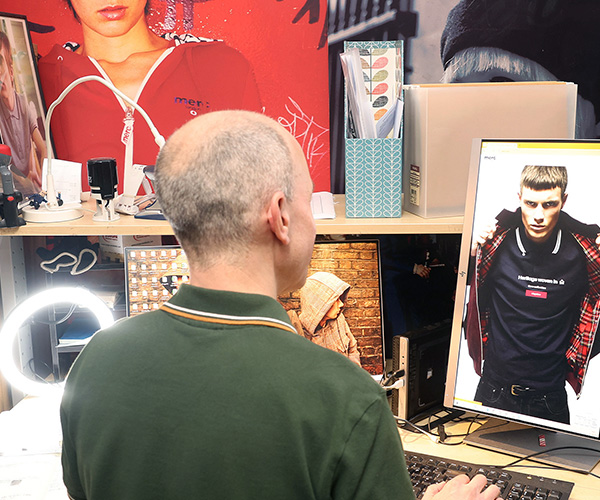
It is too simplistic, however, to suggest that the haste to hunt out Harrington jackets, polo shirts and parka coats in time for the band’s reunion tour is a case of classic clothing coming “back into fashion”, according to Sas Alavi.
“Oasis are back and that’s given niche lines a particular momentum,” explained Merc’s managing director. “The press has made the connection and brought the style to the fore, reconnecting it with some people, but take away the media hype and you’ll find that it’s always been there in the background.
“There is a community built around this sort of style – people who actually live it and are not directly influenced by the Britpop cycle.”
As a heritage brand launched in 1967 in the ever-fashionable surrounds of London’s Carnaby Street, Merc is more qualified than most labels when it comes to tracking trends.
“We came from very humble beginnings and, as is common in the fashion trade, started by selling clothing from market stalls,” added Sas, who formally succeeded his father – a still busy “serial entrepreneur” – as the company’s head in 2010 and now oversees its global distribution. “There were many big players in the industry at that time with the younger generations – be it mods, skins or punks – challenging the very stale way of life that existed prior to the 60s

“There was a big sea change in attitudes and fashions that we’ve been tracking ever since. We are still selling some of our biggest sellers from back then – the Harrington jacket, polos and V-neck jumpers, which have shown an amazing survival of style – and create collections that give a nod to the past but have a contemporary twist.”
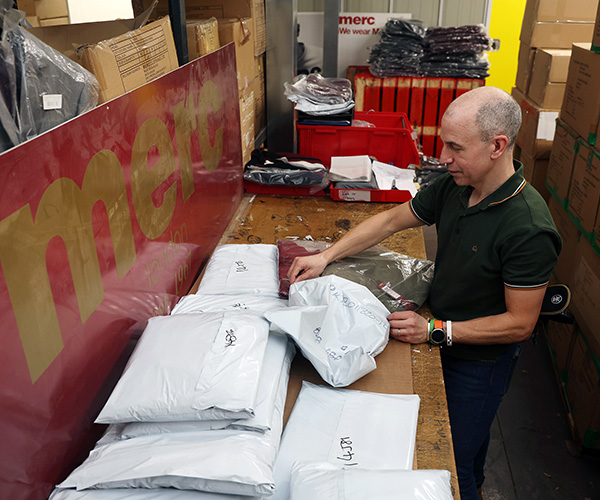
And it was Merc’s embrace of modern business trends that led the company to swap a commercial lease on a warehouse for wardrobing, picking and packing its sought-after stock at one of Big Yellow’s London stores.
"The Big Yellow model is more contemporary. In terms of the facilities and the operation it is really flexible. I wanted the ability to scale and switch service elements on or off and I have that now; at Big Yellow you can take and reduce space without a long discussion and the need for lawyers or the other hidden costs associated with a lease on a commercial property."
“They also have a great forward-facing team who deal with anything coming or being collected from the store,” he continued. “When you have your own rental or lease properly it’s not always possible to be on site or the warehouse manager might be ‘out the back’ and things get missed. Here, that’s their [Big Yellow’s] brief and they do it like clockwork.
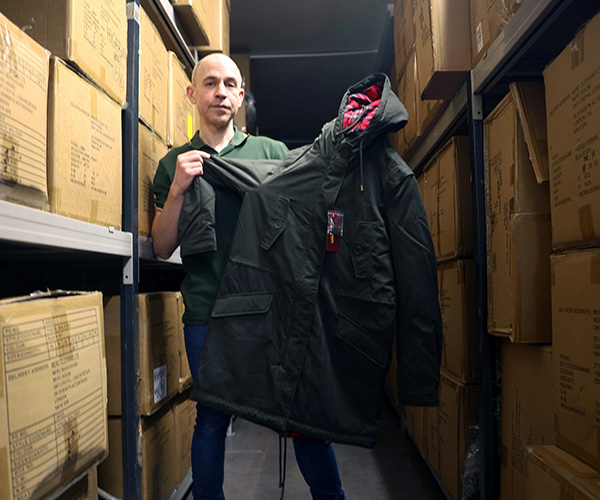
“I also like the security aspects of being in a store; knowing that the premises are monitored, all locked up and people need a code to access the building takes away a lot of worry. In your own property there are a whole lot of additional responsibilities – it is you who has to respond to a call at three in the morning if an alarm goes off and to check that all the cameras are functioning to ensure your insurance is not invalidated.
“Big Yellow ticks all the boxes and has all the facilities a normal warehouse would have.”
With Sas having no cause to look back in anger at his decision, Merc – having spent more than five decades restyling fits and fashions for the comfort of others – appears to have found its own ‘perfect fit’.
For more information, visit www.merc.com